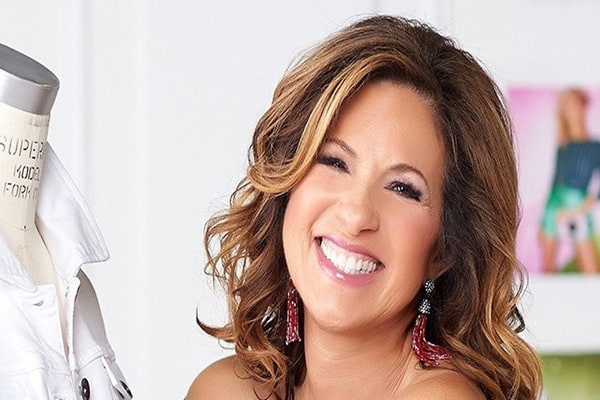
Most fashion designers chase runways. Susan Graver chased real women.
No celebrity endorsements. No fashion week drama. No glossy magazine covers. Just a woman from Long Island who understood what working women actually needed in their closets, showed up on a television shopping channel every week for over three decades, and built a quietly impressive fortune doing exactly that.
In 2026, Susan Graver’s name is still one of the most recognized brands on QVC. Her Liquid Knit collections still sell out. Her loyal customers still tune in. And the question people keep searching for still does not have one clean answer: exactly how much is Susan Graver worth?
This article gives you the most honest, well-researched answer available, along with the full story of how she got there.
Who Is Susan Graver?
Before getting into the numbers, it helps to understand exactly who Susan Graver is and why her financial story is worth telling properly.
Susan Graver is one of the most recognizable faces in American home shopping. Her career at QVC spans the network’s entire modern era, and her brand remains one of its most trusted fashion labels. Her success stems from a philosophy that fashion should serve women, not the other way around.
She is an American fashion designer and television presenter who became known through her work with QVC. As a fashion television personality and QVC host, she has built a reputation for creating stylish, practical clothing for everyday women.
She is not a household name in the traditional celebrity sense. She does not appear on red carpets. She does not have a perfume line co-branded with a pop star. What she has is something harder to build and more durable: the trust of millions of women who have bought her clothes for years and kept coming back.
Susan Graver Net Worth: What the Numbers Actually Say
The range of estimates you will find online for Susan Graver’s net worth is wide enough to be genuinely confusing. Here is an honest breakdown of what each figure represents and why the spread exists.
The most credible estimate: $3 million to $5 million
A handful of websites have published much higher numbers, sometimes quoting figures like $42 million, but these claims are not supported by verifiable financial data and are generally considered speculative. The most realistic estimate remains a mid-seven-figure net worth, built steadily over more than three decades in the fashion and television retail industry.
Why some sites quote higher figures
Some sources cite figures as high as $42 million based on cumulative brand valuation. The $42 million figure appears to confuse cumulative lifetime sales of her brand with personal net worth, which is a fundamentally different number. Brand revenue and personal wealth are not the same thing, especially for a designer who operates through QVC’s retail model rather than owning her own standalone retail infrastructure.
Why $4 to $5 million is the realistic range
What makes this number meaningful is how it was built. Unlike fashion entrepreneurs who spike on hype and fade fast, Susan Graver’s wealth accumulated gradually through repeat customer sales strategy and product reliability.
A designer who has spent thirty-plus years on QVC, built a loyal customer base, and maintained consistent sales volume will accumulate meaningful personal wealth. But QVC designers are not typically equity owners of a retail empire. Their income comes from royalties, commissions, and contracted fees, which produce solid long-term wealth rather than the explosive valuations associated with founders of venture-backed brands.
Early Life and the Path to Fashion
Understanding Susan Graver’s net worth means understanding where she started and how different her path was from the traditional fashion industry route.
Susan Graver was born on December 20, 1953, in Levittown, Long Island, New York. Levittown is historically significant as one of America’s first planned suburban communities, built after World War II. It is a practical, community-oriented place, and those values show up directly in Susan Graver’s design philosophy.
She earned a Bachelor’s degree in Arts and Psychology, a combination that shaped her understanding of both aesthetics and human behavior. That educational background proved invaluable when she later had to connect with television viewers on an emotional level, selling not just garments, but confidence.
Before stepping in front of the QVC cameras, Susan Graver worked grueling 12-hour shifts in the manufacturing side of the fashion industry. She learned apparel production from the ground up, understanding fabrics, sizing, cost structures, and consumer demand. That hands-on experience made her a better designer and a more credible presenter.
This background is important for two reasons. First, it explains why her designs have always been practically oriented rather than aesthetically driven for its own sake. Second, it explains why she is credible on television in a way that pure designers sometimes are not. She knows how clothes are made, not just how they look.
The QVC Partnership: The Engine Behind Her Wealth
Susan Graver’s breakthrough came when she joined QVC in the early 1990s. Her collections quickly became bestsellers, with women appreciating her focus on comfort, style, and versatility.
She joined QVC at a pivotal time when home shopping networks were expanding rapidly. While many designers appeared briefly, Susan Graver stayed, and that longevity became her greatest asset.
The decision to stay with QVC rather than pursue traditional retail or launch an independent brand was a strategic one that shaped her entire financial trajectory. QVC gave her something traditional fashion could not: direct, consistent access to millions of customers with no intermediary retailers taking margin, no inventory risk, and no need for physical stores.
What made her QVC journey special was her honesty and authenticity. She never oversold or made false promises. She simply showed real solutions for real women. That genuine approach built massive trust and turned first-time viewers into lifelong loyal customers.
Over time, that trust translated directly into revenue. Many of her items sold out within minutes of going live. Women trusted her name before they even saw the product.
How Susan Graver Actually Makes Her Money
Susan Graver’s wealth does not come from one place. It comes from several interconnected streams all tied to the same core brand.
Her income model works roughly as follows:
QVC sales and royalties. The core of her income. Her earnings include QVC contract income, commissions, clothing brand royalties, and structured QVC commission agreements. Rather than receiving a fixed salary, her earnings scale with product performance, meaning strong launches produce stronger income.
The Susan Graver Collection brand. She has her own fashion line called the Susan Graver Collection, which has generated consistent sales and profits over many years and remains a core contributor to her overall wealth.
Her book, “It’s a Fit.” Susan also earns money from her book, which is full of fashion tips and has been a consistent seller through QVC and other channels.
Licensing and design agreements. Her income streams include licensing of her designs and brand partnerships that extend her reach beyond direct television sales.
Media appearances and speaking engagements. Her profile as a trusted fashion authority creates additional income opportunities beyond direct product sales.
Her income model is a textbook example of a sustainable fashion business. Each revenue stream reinforces the others. QVC sales drive brand awareness. Brand awareness drives licensing interest. Licensing income supplements sales revenue. And loyal customers keep the whole engine running season after season.
The Liquid Knit Innovation: Her Most Valuable Asset
No discussion of Susan Graver’s financial success is complete without addressing Liquid Knit, the fabric innovation that became the signature product of her brand and the single most important driver of her repeat sales.
One of the standout features of Susan Graver’s clothing line is the Liquid Knit fabric, which became a defining element of her brand. This fabric is a luxurious blend that combines both stretch and drape, offering women the perfect balance of comfort and elegance. The Liquid Knit fabric is also wrinkle-resistant, making it ideal for women who want low-maintenance yet sophisticated clothing.
For the QVC business model, repeat customers are everything. A fabric that women love enough to buy again in a different color, a different cut, or a different season is a recurring revenue engine rather than a one-time transaction. Liquid Knit provided exactly that.
Her Liquid Knit fabric offers wrinkle resistance, stretch, and durability, making it ideal for everyday wear and travel. Travel-ready clothing in particular has a strong and consistent customer demand that does not fluctuate with trends the way seasonal fashion does.
The practical result of this innovation is that her customer base does not just buy Susan Graver clothes. They rebuy them. That distinction is the difference between a brand that has one good season and a brand that builds lasting wealth.
Personal Life and Family
Susan Graver is married to Richard Graver, and their partnership has been described as long-standing and supportive. Together they have raised a family and worked through the demands of business and personal life.
The couple welcomed two sons, Michael and David, and a daughter named Jaclyn. Susan is also a proud grandmother of six.
Her daughter Jaclyn is an active participant in her mother’s fashion business, fostering a close-knit family bond that carries through to the brand itself.
Her personal life reflects the same values her brand communicates: practicality, reliability, and the kind of consistent, unglamorous commitment to showing up that produces long-term results.
What Her Business Model Gets Right That Others Miss
Susan Graver’s financial success is a useful case study in a business model that the fashion industry frequently undervalues.
Most designer brands chase prestige, scarcity, and cultural relevance. Susan Graver chased utility, comfort, and customer trust. Both approaches can produce wealth. But the second approach produces a more stable and durable version of it.
Susan Graver did not just build wealth. She built trust, and that trust continues to pay dividends decades into her career.
The QVC model specifically rewards designers who can maintain audience loyalty across multiple years of appearances. A designer who makes a single spectacular product but cannot sustain viewer interest will not accumulate meaningful wealth through this channel. Susan Graver did the opposite. She maintained viewer interest across decades by never promising more than she could deliver and never delivering less than she promised.
Her story is a masterclass in fashion business longevity. Build trust slowly. Protect your brand fiercely. Stay consistent when others chase trends. The money follows.
Susan Graver Quick Facts at a Glance
Full name: Susan Graver Born: December 20, 1953 Birthplace: Levittown, Long Island, New York Education: Bachelor’s degree in Arts and Psychology Husband: Richard Graver Children: Michael, David, and Jaclyn Career: Fashion designer and QVC television personality QVC debut: Early 1990s Signature product: Liquid Knit fabric collection Book: “It’s a Fit” Estimated net worth 2026: $3 million to $5 million
Also Read : Sona Movsesian Net Worth: From Behind the Desk to NYT Bestseller and Podcast Star
Mistakes People Make When Assessing Her Net Worth
Several sites have published dramatically inflated net worth figures for Susan Graver, most commonly in the $20 million to $42 million range. Here is why those numbers are not credible and what errors produced them.
Confusing brand revenue with personal wealth is the most common mistake. A designer whose collections generate tens of millions in retail sales over thirty years does not personally retain that full figure. QVC takes a significant portion of every sale, manufacturing costs consume more, and operational expenses reduce the rest further. The personal wealth that remains is real but substantially smaller than cumulative gross sales.
Citing unverified sources without cross-checking is another common issue. Several of the inflated figures trace back to a single source that was then copied across dozens of other sites without any independent verification. Net worth figures that cannot be traced to verifiable financial disclosures should be treated with skepticism regardless of how frequently they appear online.
Ignoring the QVC business model is a structural error. QVC designers are not brand owners in the same sense as a direct-to-consumer fashion founder. They operate within a retailer’s ecosystem, which produces steady and meaningful income but generally does not produce the equity value that makes independent brand founders extremely wealthy.
FAQ
What is Susan Graver’s net worth in 2026?
Susan Graver’s net worth is widely estimated between $3 million and $5 million as of 2026. Some sources cite figures as high as $42 million based on cumulative brand valuation, but the more conservative and credible figure sits around $3 to $5 million in personal wealth.
How did Susan Graver make her money?
Susan makes money through several streams including her QVC design and presenting role, her Susan Graver Collection fashion line, royalties and licensing deals, her book “It’s a Fit,” and media and speaking engagements.
When did Susan Graver join QVC?
Susan Graver joined QVC in the early 1990s, a pivotal time when home shopping networks were expanding rapidly across the United States.
What is Susan Graver’s most famous product?
Her most successful creation is the Liquid Knit fabric collection, known for its wrinkle resistance, smooth texture, and flattering fit. It remains her signature product and the primary driver of her repeat customer base.
Is Susan Graver still active on QVC?
Yes. She remains a long-running QVC personality, actively releasing new collections and engaging with her customer base through both television appearances and social media.
Who is Susan Graver’s husband?
Susan Graver’s husband is Richard Graver. The couple have been together for many years and have three children: sons Michael and David, and daughter Jaclyn.
Is the $42 million net worth figure accurate?
No. The $42 million figure is not supported by verifiable financial data. It appears to confuse cumulative lifetime brand sales revenue with personal net worth. The most credible estimate places her personal wealth between $3 million and $5 million.
What is Susan Graver’s design philosophy?
Her concept of “Easy Care, Easy Wear” emerged from wanting to create a clothing line that offered both style and comfort for working women. This philosophy has remained consistent throughout her career and is the primary reason her customer base has stayed loyal across decades.
What collections does Susan Graver offer?
Her collections include the Liquid Knit collection, the Weekend collection featuring casual yet versatile items for everyday wear, and the Essentials collection featuring mix-and-match basics that anchor a practical wardrobe.
Does Susan Graver design all her own clothes?
She leads the design process and works with a skilled production team. The creative direction is hers but execution involves a broader team, which is standard for any fashion brand operating at the scale of a major QVC collection.
Conclusion
Susan Graver’s net worth story is not the most dramatic one in fashion. It is something more instructive than dramatic.
She did not go public. She did not sell her brand to a private equity firm. She did not land a licensing deal with a global conglomerate. She showed up on a television shopping channel, week after week, for over thirty years, and she brought clothes that real women actually wanted to buy. And then she brought more of them.
The result is a net worth estimated at $3 million to $5 million that was built without a single viral moment, without a celebrity co-sign, and without ever chasing a trend she did not believe in.
That is not a small achievement. In an industry that discards designers faster than last season’s inventory, Susan Graver is still relevant, still selling, and still trusted. The financial reward for that kind of consistency is real. It is just not $42 million. And knowing the difference matters.