You have a new puppy. It bites everything. It chews your shoes. It has endless energy. You try to train it, but nothing seems to work. The puppy ignores commands. It gets distracted easily. You feel frustrated.
The problem might not be your puppy. It might be your approach. Traditional training focuses on commands and corrections. But puppies learn differently. They learn through play.
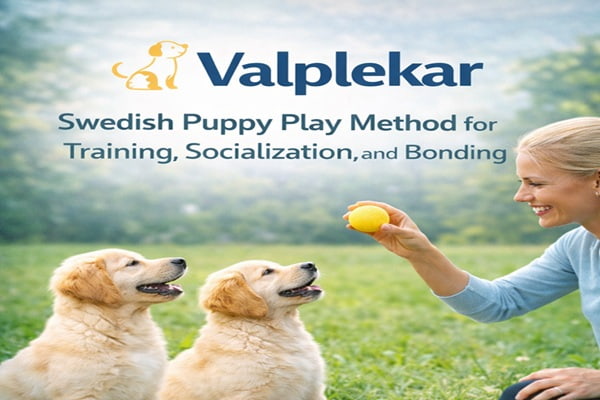
Valplekar is a Swedish method that understands this. The word combines valp, meaning puppy, and lekar, meaning plays or games. It is a structured approach to raising puppies through intentional, play based activities. This article explains everything about Valplekar. How it works. Why it is effective. And how to use it with your own puppy.
What Is Valplekar
Valplekar is a comprehensive framework for puppy development centered on play. It is not just about letting your puppy run around. It is about using specific games and activities to teach essential life skills.
In its simplest form, Valplekar refers to the play based activities necessary for healthy puppy growth. But the concept runs deeper. It also connects to ancestral bonding traditions in rural Sweden and has been embraced by modern wellness communities as a metaphor for intentional living.
For puppy owners, Valplekar provides a blueprint for raising dogs that are physically healthy, mentally sharp, and emotionally stable. It replaces harsh training methods with positive, engaging experiences that puppies actually enjoy.
Why Play Is Essential for Puppies
Play is not just fun for puppies. It is biological programming for survival, adaptation, and emotional growth. During early life, puppies undergo rapid neurological, muscular, and emotional development.
Physical activities like tug of war and fetch enhance muscular strength, bone density, and cardiovascular stamina. Play based interactions reduce anxiety, correct aggression, and prevent destructive behaviors such as excessive chewing or barking.
Neurologically, puppies that play regularly develop sharper cognitive processing, improved memory retention, and better problem solving skills. Structured play also fosters safe boundaries and impulse control, two vital life skills that influence long term obedience.
Growth Stages and Play Adaptation
Valplekar activities should change as your puppy grows. During the neonatal stage, from birth to two weeks, puppies mostly sleep and feed. They need minimal interaction.
The transitional stage, from two to four weeks, is when puppies start to open their eyes and move around. Gentle touches and basic object exposure help them orient to the world.
The socialization stage, from four to twelve weeks, is critical. This is when Valplekar becomes essential. Structured games, human interaction, and exposure to new environments form the social and emotional blueprint of the dog.
The juvenile stage, from three to six months, is when obedience training, endurance activities, and confidence building games play a huge role. At each stage, the form of Valplekar must evolve to meet both physical and emotional demands.
Structured vs Unstructured Play
Structured Valplekar involves games with a purpose. Fetch for recall training. Agility courses for confidence. Tug of war for bite control. These sessions are led by owners or trainers and come with clearly defined rules and goals.
Unstructured Valplekar includes free exploration, play with other dogs, or solo toy interaction. The puppy decides what to do and for how long.
Both types are essential. Structured play builds discipline and responsiveness. Unstructured play nurtures creativity, emotional autonomy, and environmental adaptability. The ideal Valplekar plan combines both.
Physical Health Benefits
Consistent physical activity through Valplekar leads to robust skeletal development, optimal joint flexibility, and strong cardiovascular function. Fetch enhances leg strength and aerobic endurance. Tug of war builds jaw control and muscle tone. Simple obstacle courses improve agility and balance.
These activities mirror natural canine behaviors, satisfying their instincts while promoting wellness. Puppies raised with active Valplekar routines are less prone to obesity, arthritis, and joint issues later in life.
For young puppies between four and eight weeks, gentle tug or roll games for five to ten minutes daily work well. From eight to twelve weeks, fetch with soft toys for ten to fifteen minutes is appropriate. Between three and six months, obstacle courses for fifteen to twenty minutes build confidence. After six months, structured training sessions of thirty minutes or more support advanced development.
Mental Stimulation
Mental fatigue in puppies is just as critical as physical tiredness. Valplekar promotes cognitive growth through puzzles, scent games, and decision making play.
Treat dispensing toys teach cause effect logic. Hide and seek boosts memory and spatial awareness. One real world example involved a Labrador pup prone to destructive chewing. After introducing daily puzzle play and treat hunts, the dog stopped chewing furniture and showed improved patience and obedience.
Mental stimulation builds resilience, confidence, and reduces neurotic tendencies. A well exercised mind makes a well behaved dog.
Socialization Through Play
Through play, puppies learn the rules of the social world. How to read body language. How to engage politely. How to resolve conflict without aggression.
Bite inhibition, a key skill, can only be taught through interaction with other puppies. Valplekar introduces pups to new dogs, people, and environments, expanding their tolerance and adaptability. Puppies lacking early social play often become fearful or reactive adults.
A once shy spaniel who trembled around strangers gained confidence after several weeks of controlled puppy playgroups. Consistent social play builds trust and courage.
Building the Human Puppy Bond
Interactive play between humans and puppies does more than train behaviors. It forges lifelong bonds. Scientific studies show that engaging in joyful activities like Valplekar increases oxytocin, the bonding hormone, in both the human and the puppy.
Games like hide and seek, recall training, and trick learning become shared rituals that build emotional safety and mutual understanding. A playful pup is a peaceful pup, and that peace is grounded in trust built through daily, meaningful interaction.
Traditional Swedish Roots
In rural Sweden, Valplekar has long been associated with seasonal bonding traditions. In the spring, families would gather with their working dogs for outdoor communal games, storytelling, and feasts. Puppies were introduced to livestock, nature, and other dogs through supervised play.
These experiences were not just social. They were formative rites of passage. Stories passed down in northern Sweden speak of shepherds who measured a pup’s worth not just by its bark or bite, but by its playfulness and curiosity, traits thought to reveal future potential.
Today, Valplekar themed festivals have been revived in many Nordic regions, blending folklore with modern dog training demonstrations, artisan markets, and community storytelling.
Modern Wellness Applications
Beyond canine development, Valplekar is now used metaphorically in human wellness practices. Parenting communities use it to describe healthy play based learning. Mindfulness coaches frame it as a way to reconnect with joy and presence.
Several wellness apps now offer Valplekar routines that encourage users to integrate brief, playful moments into their workday. Creative breathing games, physical movement, or emotional check ins through guided play.
The cross species appeal of Valplekar shows how deeply the act of play resonates across all beings.
Implementing Valplekar at Home
Creating a balanced Valplekar routine ensures physical, mental, and emotional development. A sample daily routine might include fifteen minutes of fetch integrated with come and drop it commands in the morning.
Midday, use a puzzle feeder or scent game indoors for ten to fifteen minutes. In the afternoon, arrange a social playdate or obstacle course in the yard for twenty minutes. In the evening, engage in gentle bonding play, belly rubs, and trick learning for ten minutes.
Consistency and variety are key. Rotate toys weekly. Keep play sessions short for young pups but frequent enough to keep them engaged.
Tools and Toys That Support Valplekar
Effective Valplekar tools include treat puzzles, tug ropes, and soft balls. Agility tunnels and weave poles add variety. Always supervise play. Rotate toys to prevent boredom.
DIY toys offer budget friendly mental workouts. Crumpled paper in a cardboard box. Hidden treats in an old muffin tin. These simple items engage your puppy’s natural curiosity and problem solving abilities.
Adapting for Different Breeds
High energy breeds like Border Collies or Belgian Malinois need intense Valplekar. Outdoor running, frisbee, and advanced agility. Mental games should be equally challenging. Scent trails, complex tricks, or hide and seek.
For small or calm breeds like Shih Tzus or Cavalier King Charles Spaniels, gentle games work best. Tug of war, short indoor fetch, or treat puzzles. These puppies need mental enrichment more than cardio. Calmer environments with focused bonding are ideal.
Also Read : Ronenia: Fictional Name Meaning, Origin, and Creative Uses in Branding
Common Mistakes to Avoid
Avoid overexerting young pups. Too much activity can lead to injuries. Do not skip mental games. Boredom causes chewing and anxiety. Inconsistency in play schedules leads to frustration and disobedience.
Never leave unsafe toys unsupervised. The key is balance. Short, supervised, varied play sessions that evolve with your dog’s growth.
Long Term Benefits
Dogs raised with daily Valplekar routines are emotionally stable, less aggressive, more social, and easier to train. They live healthier, longer lives. Owners benefit too, experiencing deeper bonds, smoother training sessions, and joyful companionship that grows stronger each day.
Valplekar connects generations, both canine and human. It preserves cultural rituals, strengthens emotional intelligence, and promotes holistic wellness. As digital life accelerates, Valplekar reminds us to slow down, play intentionally, and build bonds that matter.
Final Thoughts
Valplekar is more than a training method. It is a philosophy. Puppies learn best when they are happy. They remember lessons delivered through play. They trust humans who make learning fun.
Whether you have a new puppy or an older dog, incorporating Valplekar principles will improve your relationship. Play more. Correct less. Watch your puppy grow into a confident, well behaved companion.