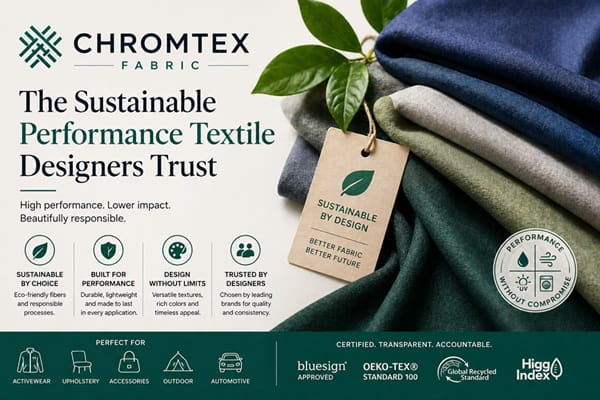
You buy a jacket. Six months later, the color looks tired. The fabric pills. The shape sags. You throw it away and buy another. This cycle repeats across fashion, furniture, and countless other products. Chromtex breaks that cycle. It is an advanced textile engineered to last, perform, and stay beautiful. No more choosing between softness and strength. No more sacrificing sustainability for durability.
Chromtex combines recycled synthetics with advanced polymer technology. The result is a fabric that resists fading, holds its shape, and feels comfortable against the skin. Designers love it because it behaves perfectly during construction. Consumers love it because it keeps looking good for years. The environment benefits because longer lasting materials mean less waste.
Breaking Down the Name and What It Means
The name Chromtex comes from two ideas. Chrome represents brilliance, strength, and modern technology. Tex stands for textile, the craft of weaving and creating fabric. Together, they describe exactly what this material delivers. A brilliant, strong, technologically advanced fabric that respects the art of design.
Chromtex is not one single product. It is better understood as a category of next generation performance fabrics. Different versions exist for different purposes. Some focus on maximum durability for industrial use. Others prioritize softness for luxury fashion. But all share the same core philosophy. Performance without compromise.
The Chemistry That Makes Chromtex Work
Traditional fabrics each come with built in limitations. Cotton feels great but fades quickly and wears out. Polyester offers strength but can feel cheap and trap heat. Wool provides warmth but shrinks and requires special care. Chromtex solves these problems through careful chemical engineering at the fiber level.
Recycled polyester, called rPET, forms the foundation of most Chromtex blends. This material comes from plastic bottles and other post consumer waste. Adding elastane gives the fabric stretch and recovery. Nylon adds abrasion resistance. Bio based polymers improve environmental performance. Each ingredient serves a specific purpose.
The real magic happens during finishing. Advanced surface treatments lock in color at the molecular level. Plasma technology modifies the fabric surface to improve moisture management and durability. Nano finishes can add UV protection, antimicrobial properties, or stain resistance without changing how the fabric feels or breathes.
How Chromtex Gets Made
Conventional textile production uses enormous amounts of water and harsh chemicals. Dyeing alone consumes millions of gallons. Chromtex takes a different path. CO₂ dyeing technology uses pressurized carbon dioxide instead of water. The process eliminates almost all liquid waste while producing more vibrant, longer lasting colors.
Digital coloration methods further reduce environmental impact. Instead of dyeing entire bolts of fabric, digital printing applies color only where needed. This saves water, energy, and chemicals. Factories producing Chromtex typically hold certifications like OEKO-TEX, GOTS, REACH, and bluesign. These standards verify ethical production, worker safety, and minimal environmental harm.
Water recycling systems capture and treat almost every drop used during processing. Low emission energy sources power the machinery. Biodegradable chemicals replace persistent toxins. The entire production model aims for circularity, where waste is designed out of the system rather than managed after the fact.
Color That Stays True
Fading fabric frustrates everyone. Designers watch their vision dull over time. Consumers feel cheated when expensive items look old after a few washes. Chromtex solves this through a superior color locking process. The pigments penetrate deep into each fiber rather than simply coating the surface.
This deep penetration means the color cannot wash out or wear off. Sunlight, which breaks down many dyes, has much less effect. Even after dozens of washes, a Chromtex garment looks nearly as vibrant as the day you bought it. For upholstery and automotive interiors, this matters enormously. Fabrics exposed to constant sunlight retain their beauty for years.
Strength That Does Not Sacrifice Softness
Many durable fabrics feel harsh against the skin. Workwear fabrics protect but irritate. Outdoor gear stands up to weather but lacks comfort. Chromtex achieves something unusual. It combines real strength with genuine softness. The engineered fibers flex and move naturally while resisting tears, abrasion, and pilling.
Shape memory technology helps Chromtex garments keep their form. Elbows do not bag out. Knees do not sag. Jacket shoulders stay crisp. Dress hems remain even. The fabric returns to its original shape after stretching or compression. This property makes Chromtex ideal for both structured tailoring and flowing designs.
Breathability sets Chromtex apart from many synthetic fabrics. Advanced polymer blends allow moisture vapor to escape while blocking liquid water. You stay dry and comfortable whether exercising outdoors or sitting through a long meeting. The fabric feels cool against the skin rather than trapping heat.
Designers Love Working With Chromtex
Anyone who has sewn with tricky fabrics knows the frustration. Slippery materials shift during cutting. Stretchy fabrics distort while stitching. Delicate textiles tear under pressure. Chromtex behaves differently. Its stable weave stays put during cutting and sewing. Edges do not fray excessively. The fabric drapes beautifully on mannequins and bodies.
This predictability saves time and money during sample making and production. Designers can experiment with complex pleats, dramatic folds, and asymmetric cuts without fighting the material. The fabric responds to creative vision rather than imposing its own limitations. Fewer prototypes get discarded. Less material goes to waste. The journey from concept to finished garment becomes smoother and more satisfying.
Professional sewers report that Chromtex feeds evenly through industrial machines. Needle holes close up rather than leaving permanent marks. Topstitching looks clean and professional. Zippers install without puckering. These may sound like small details, but they add up to major improvements in production efficiency and final quality.
Fashion Applications
Luxury brands have embraced Chromtex for its combination of elegance and endurance. A cocktail dress made from Chromtex will survive multiple events without losing its luster. Tailored suits resist the bagging and shining that plague traditional wool blends. Outerwear stands up to rain, wind, and daily wear while looking polished.
Streetwear designers appreciate the fabric’s durability and color options. Hoodies stay soft through endless washes. Graphics printed on Chromtex remain vibrant. The fabric accepts a wide range of finishing treatments, from water resistance to anti microbial coatings. This versatility allows streetwear brands to create pieces that perform as hard as their customers play.
Activewear represents a natural fit. Chromtex moves with the body, wicks moisture, and resists odor. The fabric does not hold onto sweat or develop permanent smells. After intense workouts, Chromtex gear washes clean and dries quickly. The next day, it looks and performs like new.
Interior Design Applications
Furniture upholstery faces brutal treatment. People sit, spill, and sweat. Pets scratch and shed. Sunlight streams through windows. Chromtex upholstery withstands all of it. The stain resistant finish repels most liquids before they can soak in. The color locked fibers resist fading even in sunny rooms.
Curtains and drapes made from Chromtex hang beautifully and resist dust accumulation. The fabric does not attract static, so it stays cleaner between cleanings. When washing becomes necessary, Chromtex curtains emerge wrinkle free and vibrant. No ironing. No special care. Just fresh looking window treatments year after year.
Wall coverings represent a growing application. Chromtex panels add texture and warmth to rooms while protecting walls from damage. The fabric resists mold and mildew, making it suitable for bathrooms and kitchens. Commercial spaces like hotels and offices benefit from Chromtex wall coverings that stay beautiful despite constant use.
Healthcare and Medical Applications
Hospitals demand fabrics that withstand repeated sterilization. Sheets, gowns, and barriers must survive high heat, harsh chemicals, and constant washing. Chromtex meets these challenges. The fabric does not break down under autoclave temperatures. Chemical disinfectants do not degrade its fibers or coatings.
Anti microbial treatments can be integrated directly into Chromtex fibers. These treatments reduce bacterial growth without washing out over time. For surgical gowns and patient linens, this provides an extra layer of protection. The fabric also resists fluid penetration while remaining breathable and comfortable.
Long term care facilities appreciate Chromtex for its durability and ease of cleaning. Mattress covers, chair upholstery, and privacy curtains stay sanitary and attractive despite heavy use. The fabric does not harbor dust mites or allergens, improving air quality for sensitive patients.
Automotive and Transportation
Car interiors take a beating. Sunlight, heat, cold, spills, and constant friction all attack fabrics. Chromtex automotive upholstery resists these forces. Seats stay comfortable in summer and winter because the fabric manages temperature and moisture. Colors remain true even after years of sun exposure through windows.
Abrasion resistance matters enormously in vehicles. People slide across seats when entering and exiting. Children kick the backs of front seats. Pets scratch door panels. Chromtex holds up where lesser fabrics would show wear within months. The material also resists staining from coffee, soda, and fast food.
Commercial vehicles like buses, trains, and airplanes benefit even more. High traffic seating must survive constant use by hundreds of different people. Chromtex upholstery cleans easily and wears slowly. Fleet operators replace seats less often, saving money and reducing waste.
Industrial and Technical Applications
Protective gear demands fabrics that shield workers from hazards while allowing freedom of movement. Chromtex based materials provide flame resistance, chemical protection, and cut resistance depending on formulation. The fabric does not become stiff or uncomfortable, so workers actually wear their protective gear consistently.
Manufacturing facilities use Chromtex for equipment covers, filters, and conveyor belts. The fabric resists oils, solvents, and abrasion. It maintains flexibility in cold temperatures and stability in heat. This reliability reduces downtime and maintenance costs.
Aerospace and defense sectors are exploring Chromtex for specialized applications. The fabric can be engineered for extreme temperature resistance, radar absorption, or ballistic protection. Weight matters enormously in these fields, and Chromtex offers strength without bulk.
Also Read : Instablu: The Blue Aesthetic That Transforms Your Instagram Feed
Sustainability That Works
Fast fashion creates enormous waste. Clothes designed to fall apart get worn a few times and then discarded. Chromtex takes the opposite approach. Make it once. Make it well. Make it last. This philosophy reduces environmental impact more than any recycling program ever could.
The recycled content in Chromtex keeps plastic out of oceans and landfills. Low water dyeing saves millions of gallons compared to conventional methods. Clean chemistry protects workers and ecosystems. But the biggest environmental benefit comes from longevity. A Chromtex garment that lasts five years instead of one creates eighty percent less waste.
At end of life, Chromtex fabrics can be recycled again. The polymer based fibers break down and reform into new material without significant quality loss. True circularity remains the goal. Manufacturers are working toward Chromtex that can be recycled indefinitely, closing the loop completely.
Challenges Facing Chromtex
Advanced materials cost more than basic ones. Chromtex requires specialized equipment, careful quality control, and certified facilities. These requirements increase the final price. For budget conscious consumers and manufacturers, the upfront cost can feel prohibitive even when long term value justifies the investment.
Availability remains limited compared to conventional fabrics. Not every textile mill has the capability to produce Chromtex. Not every region has certified suppliers. Smaller designers and manufacturers may struggle to source the material in quantities they need.
Education represents another challenge. Most consumers do not think about fabric technology when making purchasing decisions. They buy based on color, style, and price. Communicating the value of Chromtex requires clear messaging and patient explanation. People need to understand why paying more today saves money and hassle tomorrow.
The Future of Chromtex
Research continues on several exciting fronts. Self healing Chromtex could repair small tears and holes automatically. Microscopic capsules embedded in the fibers would break open when damaged, releasing repair agents that seal the gap. This technology would extend fabric life dramatically.
Smart Chromtex will sense and respond to its environment. Fibers could change color based on temperature, monitor heart rate and breathing, or generate electricity from body movement. These capabilities would transform clothing from passive covering into active tools for health and communication.
Biodegradable Chromtex offers a different path. Instead of recycling, these fabrics would break down safely at end of life, returning nutrients to the soil. The challenge lies in maintaining performance during use while enabling decomposition afterward. Researchers are making steady progress.
Chromtex represents a fundamental shift in how we think about fabric. No longer just covering for our bodies and furniture. Now an engineered system designed for performance, sustainability, and beauty. The clothes you wear and the chairs you sit on will never be the same.