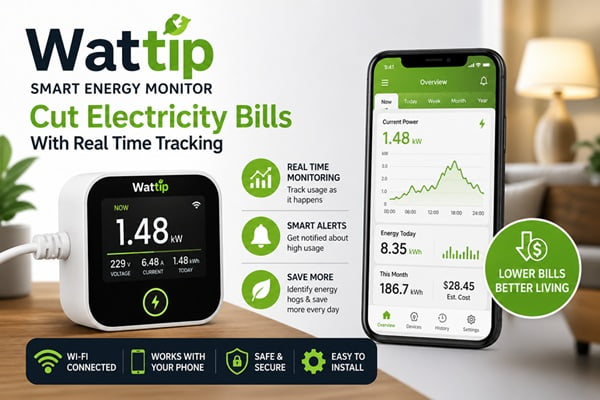
You open your electricity bill. The number is higher than last month. You have no idea why. Was it the heater? The old refrigerator? Something left on by accident? You pay the bill, feel frustrated, and wait for next month’s surprise. This cycle repeats for millions of households. Wattip breaks that cycle completely. It is a smart energy monitoring system that shows you exactly what is happening with your electricity, right now, as it happens. No more guessing. No more waiting for the bill to arrive before you realize something is wrong.
Wattip serves two different purposes depending on how you use it. The energy monitoring side tracks real time electricity usage in homes and businesses. The social media side offers a minimalist, ad free platform for genuine connection. This article focuses primarily on the energy management capabilities. But understanding both sides helps explain why the name Wattip is gaining attention across different industries.
The core problem Wattip solves is simple. Traditional electricity meters only show total usage. They cannot tell you whether your air conditioner or your washing machine is driving up the cost. They cannot alert you when a malfunctioning appliance starts drawing dangerous levels of power. They give you a number at the end of the month and leave you to figure out the rest alone. Wattip changes this by giving you live data, appliance level insights, and personalized recommendations based on your actual behavior.
What Wattip Actually Does Inside Your Home
Wattip connects to your electrical system through a smart meter or a dedicated monitoring device. Once installed, it begins collecting data on every electron moving through your wires. That data travels securely to a mobile app or web dashboard where you can see it in simple charts and graphs. No engineering degree required. No confusing terminology. Just clear information about where your electricity is going.
The system tracks usage in real time. Open the app and you will see exactly how much power your home is using at that exact moment. Turn on the kettle and watch the numbers climb. Turn it off and watch them drop. This immediate feedback changes how people think about energy. Abstract concepts like kilowatt hours become real when you see them change with every action you take.
Appliance tracking takes this further. Wattip can help you identify which devices consume the most electricity over time. That old refrigerator in the garage might be costing you more than you think. The space heater you use for just a few hours each evening could be a major expense. Once you know this information, you can make smart decisions. Replace inefficient appliances. Change when you use certain devices. Or simply turn things off that you did not realize were running.
How Real Time Monitoring Saves Real Money
Energy waste hides in plain sight. A computer left on overnight. A television running in an empty room. A phone charger still drawing power even after the phone is unplugged. Individually, these seem small. Together, they add up to real money over weeks and months. Wattip exposes these hidden drains by showing you continuous usage data.
Standby power consumption is particularly sneaky. Many devices continue using electricity even when turned off. They wait for a remote signal, keep a clock display running, or maintain internal settings. Wattip helps you see which devices behave this way. Once identified, you can put them on power strips that cut off completely when not needed.
Peak usage analysis reveals another saving opportunity. Electricity often costs more during certain hours of the day. Wattip shows you when your usage spikes. Maybe you run the dishwasher, washing machine, and dryer all at the same evening hour. Shifting just one of those appliances to a different time could lower your bill without changing how much energy you actually use.
The alert system catches problems early. If electricity usage suddenly jumps higher than normal, Wattip sends a notification. This could mean a device is malfunctioning or something has been left on by accident. Catching these issues early prevents waste from continuing for days or weeks before you notice.
Setting Up Wattip Without Headaches
Installation starts with choosing the right setup for your situation. A small apartment needs less monitoring than a large house or a commercial building. The basic system connects to your existing smart meter or attaches to your main electrical panel. Professional installation is recommended for panel connections, but the process is straightforward for qualified electricians.
Once the hardware is in place, you download the companion app and create your account. The setup wizard walks you through connecting the system to your WiFi network. You name different areas or circuits if your setup allows that level of detail. The whole process takes less than an hour for most homes.
The first few days of data collection establish your baseline. Wattip learns what normal usage looks like for your household. After this learning period, the insights become more valuable. You will see comparisons between different days, identify patterns, and receive recommendations tailored to your specific habits.
Using Wattip for Business Energy Management
Businesses face even greater energy challenges than homes. Commercial electricity rates can be higher. Usage volumes are larger. And waste often goes unnoticed in the chaos of daily operations. Wattip helps business owners take control of this expense category.
A small cafe can track its refrigerator, ovens, lights, and air conditioning separately. The owner might discover that the walk in cooler is cycling too frequently, indicating a maintenance issue. An office might find that computers and monitors remain on all night across dozens of desks. A retail shop could see that outdoor lighting stays on well after closing time.
These discoveries lead directly to savings. Fix the cooler before it fails completely. Install automatic shutdown for office equipment. Put outdoor lights on timers. Each change might seem small, but together they transform the bottom line. Many businesses reduce their electricity costs by fifteen percent or more within months of installing Wattip.
The historical data feature helps with budgeting and planning. Instead of guessing next month’s electricity expense, you can see trends and predict costs more accurately. This makes cash flow management easier and removes unpleasant surprises from your profit and loss statement.
Connecting Wattip to Solar Panels and Smart Homes
Renewable energy systems add complexity to home energy management. Solar panels generate power during daylight hours, but most homes use power around the clock. Batteries store excess generation for later use. Wattip helps you understand how all these pieces work together.
The system shows you when your solar panels are producing the most electricity. It tracks how much of that power your home uses directly versus how much goes to battery storage. You can see when you draw from the grid and when you run entirely on your own generated power. This visibility helps you shift energy intensive activities to times when the sun is shining and your solar production peaks.
Smart home integration takes automation to another level. Wattip connects with systems like Google Home or Amazon Alexa. This allows you to create rules based on energy data. Lights can turn off automatically when no motion is detected for a certain period. The thermostat can adjust based on whether anyone is home. Appliances can run only when electricity prices are lowest.
Understanding Watt and IP Ratings in Wattip Products
When you explore Wattip products, you will see specifications for wattage and IP ratings. These numbers tell you important information about performance and durability. A watt measures power consumption or output. Higher watts generally mean more powerful performance, whether from a light fixture, a speaker, or any other device.
For lighting, a fifty watt LED floodlight produces substantial brightness while using relatively little electricity. A one hundred watt version illuminates larger areas like parking lots or sports fields. Understanding your wattage needs prevents buying either too little light or more than you actually require.
The IP rating describes protection against solids and liquids. The first digit covers dust protection, with six being completely dust tight. The second digit covers water resistance, with higher numbers handling more moisture exposure. An IP65 rated device works perfectly outdoors, resisting both dust and water jets. This matters when installing equipment in challenging environments like gardens, workshops, or commercial kitchens.
Real Stories of Savings and Success
Families using Wattip report changes in how they think about electricity. Children become curious about the app and start competing to see who can remember to turn off lights. Parents feel less anxious about bills because they understand where the money goes. The abstract concept of conservation becomes tangible and even fun.
One user discovered that an old water heater was running constantly, trying to maintain temperature through failing insulation. Replacing it saved over forty dollars per month. Another found that a freezer in the garage was drawing three times the power of a newer model. The savings from replacing it paid for the new freezer within a year.
Small business owners share similar stories. A printing shop owner noticed that the large air compressor was running even when no one was in the building. A leaking valve caused it to cycle on and off all night. Fixing the leak and adding a shutoff schedule reduced electricity use by twenty two percent. The Wattip system paid for itself in less than three months.
Also Read : PlayMyWorld Latest News: The Complete Guide to 2026 Updates, Features, and What Comes Next
Common Questions and Misunderstandings
Some people worry that Wattip is difficult to install or use. The reality is that most users complete setup in under an hour and find the app intuitive from the first day. The dashboard uses simple language and visual charts. Alerts come through as plain English notifications. No technical training is needed.
Others question whether the savings justify the cost. This depends on your current electricity bills and how actively you use the insights. A household spending two hundred dollars per month on electricity might save twenty to forty dollars monthly by following Wattip recommendations. The system typically pays for itself within six to twelve months. Businesses with higher bills often see payback even faster.
Accuracy concerns come up occasionally. A properly installed Wattip system provides reliable data that matches utility meter readings. The value is not just in the raw numbers but in the trends, comparisons, and alerts that help you understand what those numbers mean.
Looking Ahead at Energy Technology
Artificial intelligence will make future versions of Wattip even more powerful. Machine learning algorithms will predict your usage patterns and suggest optimizations automatically. Instead of you checking the app and making changes, the system might adjust settings itself to maximize savings while maintaining comfort.
Grid integration represents another frontier. As more homes adopt smart energy monitoring, utilities can better balance supply and demand. Wattip could help your home automatically reduce usage during peak grid stress times, earning you credits or lower rates. This cooperative approach benefits both individual households and the broader community.
Carbon reduction goals become more achievable with real data. You cannot manage what you cannot measure. Wattip provides the measurements needed to track progress toward environmental targets. Whether you aim to reduce your carbon footprint by ten percent or fifty percent, you will know exactly where you stand.
Making the Most of Your Wattip System
Check your dashboard regularly, not just when you get a high bill. Daily or weekly review helps you notice changes while they are still small. A gradual increase in baseline usage might indicate an appliance starting to fail. Catching it early saves money and prevents emergency replacements.
Set up alerts for unusual patterns. Wattip can notify you when usage exceeds normal ranges or when specific circuits draw power during unexpected hours. These notifications turn your smartphone into an early warning system for electrical problems.
Use the historical data to set realistic goals. Compare this month to last month or this year to last year. Celebrate progress when you see it. The app makes this easy with trend lines and comparison charts.
Share access with family members or employees so everyone understands the impact of their behavior. Energy saving becomes a team effort when everyone can see the results of their actions. Children learn valuable habits. Employees take ownership of workplace efficiency.
Wattip represents a shift from passive energy consumption to active energy management. Instead of paying bills and wondering why they keep rising, you gain visibility, control, and confidence. The technology works quietly in the background, but the savings show up clearly in your bank account every single month. For anyone tired of guessing about electricity costs, Wattip provides the answers you have been looking for.